
Boiler Upgrade Scheme Overhauled April 2026: New £9,000 Grants, Air-to-Air Eligibility and What Homeowners Need to Know
The Boiler Upgrade Scheme changed massively on 28 April 2026. New £9,000 grants, air-to-air heat pumps now eligible, EPC scrapped. Here's exactly what you qualify for.

Written by Heat Pump Buddy
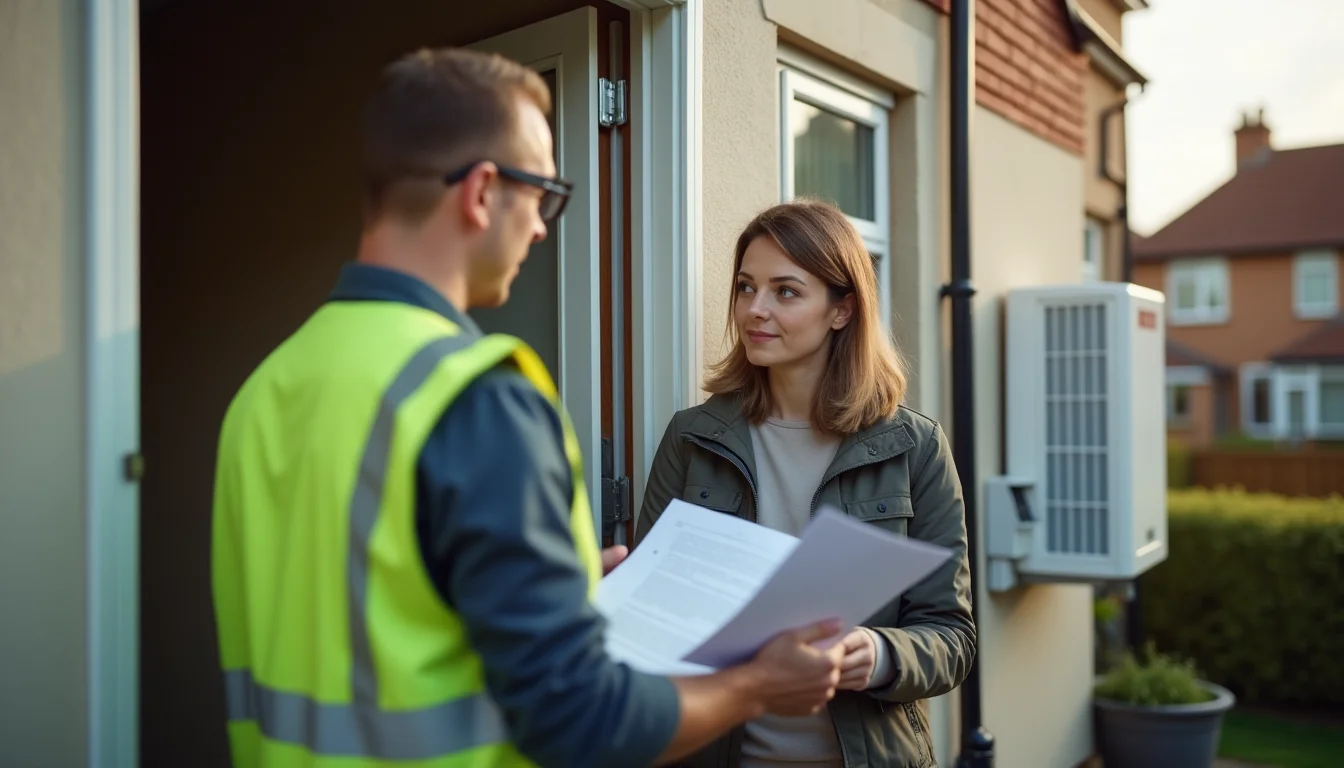
The Boiler Upgrade Scheme was completely overhauled on 28 April 2026, and most homeowners still don't know about it. Off-gas-grid properties can now claim up to £9,000 towards a heat pump, air-to-air heat pumps qualify for a brand-new £2,500 grant, and the old EPC requirement has been scrapped entirely. If you've been putting off making the switch, the financial case just got significantly stronger.
What Actually Changed on 28 April 2026?
The government announced the biggest shake-up of the Boiler Upgrade Scheme since it launched back in 2022. These aren't minor tweaks. The changes affect who qualifies, how much they get, and which types of heat pump are covered.
Here's what's new:
- Off-gas-grid homes now receive £9,000 towards an air source or ground source heat pump, up from the previous £7,500.
- On-gas-grid homes still receive £7,500 towards air source or ground source systems.
- Air-to-air heat pumps are now eligible for a £2,500 grant for the first time ever.
- The EPC requirement has been removed. You no longer need a valid Energy Performance Certificate before applying.
- Shared ground loops are now eligible, meaning blocks of flats and housing developments can access the scheme more easily.
The total budget for the scheme has also been increased, though the government hasn't published a precise cap for the 2026/27 financial year. What we do know is that Ofgem, which administers the grants, confirmed in May 2026 that funding is open and processing applications normally.
Why Off-Gas-Grid Homes Now Get £9,000
About four million homes in England and Wales aren't connected to the gas grid. These properties typically rely on oil, LPG or electric heating, and their fuel costs tend to be higher. Oil prices have been volatile, and a home burning 1,500 litres of kerosene a year could easily spend £1,200 or more on heating alone at mid-2026 prices.
The government recognised that these households stand to benefit the most from heat pumps, but they've also been harder to convert because many are older, rural properties with higher installation costs. The £9,000 grant is designed to close that gap.
Frankly, this is overdue. A typical air source heat pump installation for a detached rural home might cost £12,000 to £14,000. With a £9,000 grant, you're looking at an out-of-pocket cost of £3,000 to £5,000. For a system that should last 20 years and cut your heating bills, that's a far easier decision than it was six months ago.
The £7,500 BUS Grant: Still the Main Route for Most Homeowners
If your home is connected to the mains gas network, the grant amount hasn't changed. You still get £7,500 towards an air source or ground source heat pump. But some of the barriers that stopped people applying before have been stripped away.
The removal of the EPC requirement is a big deal. Previously, you needed a valid EPC dated within the last ten years, and if your certificate had expired or you'd never had one done, you had to pay £60 to £120 for a new assessment before you could even start the process. That's gone now.
The grant is applied for by your MCS certified installer, not by you directly. They submit the application through Ofgem's system, and once approved, the £7,500 (or £9,000) is deducted from your invoice. You never handle the grant money yourself.
To qualify, your property needs to be an existing home in England or Wales (new builds still aren't eligible), and the installation must be carried out by an MCS certified installer. That last point is non-negotiable. No MCS certification, no grant.
Air-to-Air Heat Pumps: A New £2,500 Category
This is entirely new territory. Air-to-air heat pumps have never been covered by the BUS before. These systems work differently from the more common air-to-water heat pumps. Instead of heating water that flows through radiators or underfloor heating, they blow warm air directly into your rooms, similar to air conditioning units running in reverse.
They're cheaper to install, typically costing between £3,000 and £7,000 depending on how many indoor units you need. But they can't heat your hot water, so you'd still need an immersion heater or separate water heating system.
So who are they for? They make most sense for well-insulated homes that need affordable heating without the expense of a full wet system overhaul. They're also a strong option if you already have electric panel heaters or storage heaters and want something more efficient without ripping out walls to install radiator pipework.
The £2,500 grant won't cover the full cost, but it could bring a single-room or dual-room system close to free, or reduce a whole-house multi-split system to under £4,000.
One important catch: the air-to-air systems must still be installed by an MCS certified installer. Not every installer is certified for air-to-air yet, so check before you commit to a quote.
"I'm Worried Heat Pumps Won't Heat My Home Properly"
This is the single biggest concern we hear from homeowners, and it deserves a straight answer.
Heat pumps work differently from gas boilers. A gas boiler fires up, blasts out water at 60 to 70°C, heats your house quickly, then switches off. A heat pump produces water at a lower temperature, typically 35 to 50°C, and runs for longer periods to maintain a steady warmth. It's a different rhythm, not a worse one.
The key is proper sizing and installation. A well-designed system with correctly sized radiators (or underfloor heating) will keep your home at whatever temperature you set on the thermostat. Problems arise when installers cut corners on the heat loss calculation or don't upgrade undersized radiators.
Here's a real example. A three-bed semi in Nottinghamshire, built in the 1970s with cavity wall insulation and double glazing, had a 24kW gas combi boiler replaced with an 8.5kW air source heat pump in spring 2026. Three radiators were upsized, the rest were fine. The homeowner reported the house stays at 21°C through the day without any issues and their energy bills dropped by roughly £200 a year compared to the gas boiler.
Will it work for every home? Almost always, yes, if it's designed properly. That's why choosing the right MCS certified installer matters more than choosing the right brand of heat pump.
How to Apply for the New BUS Grants in 2026
The process hasn't changed much despite the grant amounts being updated. Here's the step-by-step:
- Get quotes from MCS certified installers. Aim for at least two or three. Make sure they carry out a proper heat loss survey of your property.
- Choose your installer. They'll handle the BUS application through Ofgem's portal.
- Ofgem approves the application. This typically takes a few working days, though it can take longer during busy periods.
- Installation goes ahead. Once approved, your installer schedules the work.
- The grant is deducted from your final bill. You pay the balance.
You don't need an EPC any more. You don't need to be off the gas grid to qualify (though you'll get a higher grant if you are). And you don't need to own the property outright, though landlords have different rules and should check the latest Ofgem guidance.
One thing to be aware of: the scheme runs until March 2028 based on current government commitments, but grants are issued on a first-come, first-served basis each financial year. If the budget runs out before March 2027, applications will close until the next financial year. Don't assume you can wait indefinitely.
Frequently Asked Questions
How much is the Boiler Upgrade Scheme grant in 2026?
From 28 April 2026, off-gas-grid homes get £9,000 towards an air source or ground source heat pump. On-gas-grid homes get £7,500. Air-to-air heat pumps qualify for a new £2,500 grant regardless of gas grid status.
Do I still need an EPC to apply for the Boiler Upgrade Scheme?
No. The EPC requirement was removed as part of the April 2026 overhaul. You can now apply without having a valid Energy Performance Certificate, which removes a step and a cost from the process.
Can I get a grant for an air-to-air heat pump now?
Yes. From 28 April 2026, air-to-air heat pumps are eligible for a £2,500 BUS grant. The system must be installed by an MCS certified installer, and not all installers are certified for air-to-air yet, so check their credentials before booking.
How do I know if my home is off the gas grid for the £9,000 grant?
If your home doesn't have a mains gas supply and you currently heat with oil, LPG, electric storage heaters or another non-gas fuel, you're classed as off-gas-grid. Your installer will confirm this as part of the application. You'll qualify for the higher £9,000 grant.
Is the Boiler Upgrade Scheme still running or has the money run out?
The scheme is still running and actively accepting applications as of August 2026. The government has committed funding through to March 2028. Grants are allocated on a first-come, first-served basis each financial year, so it's worth applying sooner rather than waiting.
If you're ready to see what the new BUS grants could mean for your home, start by finding a local MCS certified installer. You can search by postcode right here on heatpumpinstallerdirectory.co.uk to get quotes from verified professionals in your area. The grants are there. The hard part is just picking up the phone.