
Heat Pump vs Boiler Replacement Cost: Which Is Cheaper in 2026?
Heat pump or new boiler in 2026? We compare upfront costs, the £7,500 BUS grant, running costs, and 10-15 year totals so you can make the right call.

Written by Heat Pump Buddy
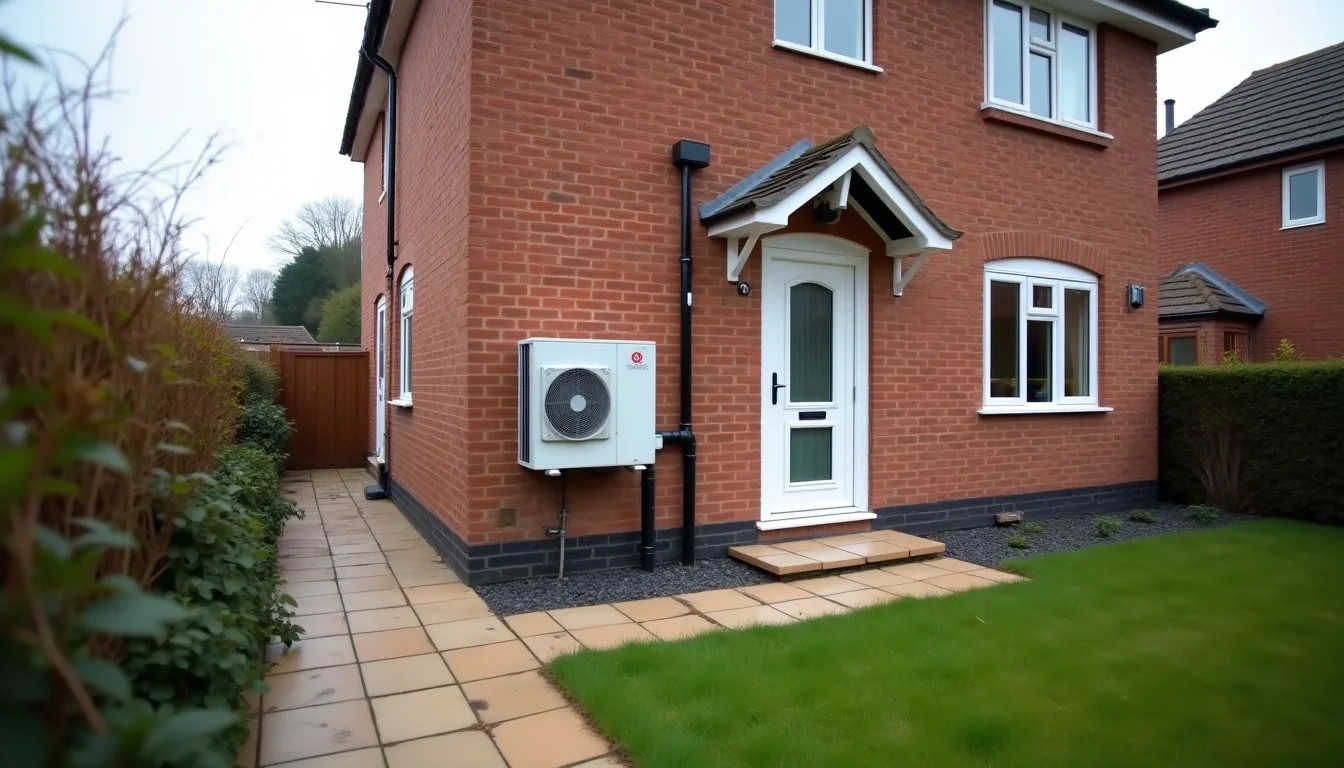
A new gas boiler typically costs £2,500 to £4,500 installed, while an air source heat pump runs between £10,000 and £15,000 before the £7,500 BUS grant. After that grant, the upfront gap shrinks to roughly £2,000 to £5,000. Over 10 to 15 years of ownership, the heat pump often works out cheaper thanks to lower running costs, and that gap will only widen as gas prices keep rising.
What Does a New Gas Boiler Actually Cost in 2026?
Let's start with the option most people know. A straightforward like-for-like gas boiler swap on a mid-terrace or semi-detached house costs somewhere between £2,500 and £4,500 including installation. If you need a system change, say from a back boiler to a combi, expect to pay closer to £3,500 to £5,500 once you factor in new pipework and flue repositioning.
Those prices have crept up over the past couple of years. Parts cost more, and gas engineers are busy. But a boiler replacement is still the cheaper option on day one, no question about it.
What you won't see on that initial quote is the long tail of costs. Gas prices have been volatile since 2022, and there's no serious forecast suggesting they'll drop significantly. The government's plan to phase out new gas boiler installations by 2035 also means you're buying into a technology with a firm expiry date.
How Much Does a Heat Pump Cost to Install in 2026?
An air source heat pump for a typical three-bedroom semi costs between £10,000 and £15,000 fully installed. That includes the outdoor unit, a hot water cylinder if needed, controls, and any modifications to your heating distribution.
Ground source heat pumps cost more, usually £18,000 to £35,000 depending on whether you're drilling boreholes or laying horizontal loops. Most homeowners looking at a straight cost comparison with a boiler will be considering air source, so that's what we'll focus on here.
Some of the price variation comes down to what your home needs. If your radiators are already reasonably sized and your house has decent insulation, costs sit at the lower end. Homes that need bigger radiators or additional insulation work will push towards the higher end. A good installer will survey your property and give you an honest assessment before you commit to anything.
The £7,500 BUS Grant: How It Changes the Maths
The Boiler Upgrade Scheme gives you £7,500 off the cost of an air source heat pump in 2026. The grant increased from £5,000 in late 2023, and it's made a real difference to the numbers.
Here's how it works in practice. Your installer applies for the grant on your behalf. It comes straight off the invoice, so you never have to find the full amount. You need an MCS certified installer and a valid EPC for your property. The scheme covers homes in England and Wales.
Let's put some actual numbers together. Take a £12,000 air source heat pump installation. Subtract the £7,500 BUS grant and you're paying £4,500 out of pocket. Compare that to a £3,500 boiler swap and the upfront difference is just £1,000. For a lot of households, that's a perfectly manageable gap, especially if you're already having to replace a failing boiler.
One thing to be aware of: the BUS has a budget cap each financial year. Demand has been growing, so don't assume the grant will be available indefinitely at this level. If you're seriously considering a heat pump, getting your application in sooner rather than later is sensible.
Heat Pump vs Boiler Replacement Cost: Annual Running Costs Compared
This is where the picture starts to shift in the heat pump's favour.
As of the Ofgem price cap for Q3 2026, electricity sits at roughly 24.5p per kWh and gas at around 6.8p per kWh. On the face of it, electricity looks far more expensive. But a heat pump doesn't use electricity the same way an electric heater does.
An air source heat pump with a Seasonal Coefficient of Performance (SCOP) of 3.2 delivers 3.2 kWh of heat for every 1 kWh of electricity it uses. That effectively brings the cost per kWh of heat down to about 7.7p. A gas boiler running at 90% efficiency delivers heat at about 7.6p per kWh. So right now, running costs are roughly similar.
But here's the thing. Gas prices are expected to rise faster than electricity prices over the next decade. The government's carbon levies are gradually shifting from electricity bills to gas bills, which will make heat pumps progressively cheaper to run. By 2030, most analysts expect heat pumps to have a clear running cost advantage.
For a typical three-bed semi using around 12,000 kWh of heat per year, annual heating bills in 2026 look something like this:
- Gas boiler (90% efficiency): approximately £910 per year
- Air source heat pump (SCOP 3.2): approximately £920 per year
Near enough identical right now. But that parity won't last.
Total Cost of Ownership Over 10 and 15 Years
This is where the real comparison lives. Let's use a worked example.
The scenario: A three-bedroom 1960s semi-detached in the Midlands. The existing gas boiler has failed. The homeowners, Sarah and James, are deciding between a new combi boiler and an air source heat pump.
Option A: New gas boiler
- Installation cost: £3,800
- Annual running cost in year one: £910
- Boiler service and maintenance per year: £120
- Estimated boiler lifespan: 12 to 15 years
- 10-year total cost: £3,800 + £10,300 running + £1,200 servicing = £15,300
- 15-year total cost: £3,800 + £15,450 running + £1,800 servicing + £3,800 replacement boiler = £24,850
Option B: Air source heat pump (after BUS grant)
- Installation cost after grant: £4,800 (£12,300 minus £7,500)
- Annual running cost in year one: £920
- Annual maintenance: £80
- Estimated heat pump lifespan: 20+ years
- 10-year total cost: £4,800 + £9,200 running + £800 servicing = £14,800
- 15-year total cost: £4,800 + £13,800 running + £1,200 servicing = £19,800
Note that the 15-year gas boiler figure includes buying a second boiler, because most boilers don't last that long. The heat pump doesn't need replacing, with most lasting 20 years or more.
Even with conservative assumptions about energy prices staying flat (which they almost certainly won't), the heat pump saves roughly £500 over 10 years and over £5,000 over 15 years. If gas prices rise as expected, those savings grow considerably.
"But Will a Heat Pump Work in My House?"
This is the biggest worry most homeowners have, and it's a fair one.
The short answer: heat pumps work in the vast majority of UK homes, but some need more preparation than others. If you live in a well-insulated home built after 2000, a heat pump should slot in with minimal changes. If you live in a solid-wall Victorian terrace with single glazing, you'll likely need some insulation improvements first.
The most common concern is radiator size. Heat pumps run at lower flow temperatures than gas boilers, which means your radiators need to be big enough to output the same amount of heat. In many homes, the existing radiators are already oversized for the rooms they're in. A proper heat loss survey will tell you exactly what you need.
Another worry is noise. Modern air source heat pumps are quiet. Really quiet. Most produce around 40 to 45 dB at one metre, which is about the same as a fridge humming. Planning rules in England allow permitted development for most installations, so you won't need formal planning permission in most cases.
Honestly, the biggest risk isn't the technology itself. It's getting a poor installation. That's why using an MCS certified installer matters so much. MCS certification means the installer follows strict quality standards, and it's also a requirement for the BUS grant.
Frequently Asked Questions
Is it cheaper to get a heat pump or a new boiler in 2026?
After the £7,500 BUS grant, the upfront cost difference between a heat pump and a new boiler is typically £1,000 to £5,000. Over 10 to 15 years, a heat pump usually works out cheaper once you account for running costs, maintenance, and the fact that boilers need replacing sooner.
How much does a heat pump cost after the government grant?
A typical air source heat pump costs £10,000 to £15,000 before the grant. After the £7,500 BUS grant, you're looking at £2,500 to £7,500 out of pocket, depending on your property and the system you need.
Are heat pumps cheaper to run than gas boilers?
In 2026, running costs are roughly similar for a well-installed heat pump and a gas boiler. Over the next decade, heat pumps are expected to become clearly cheaper to run as government policy shifts carbon charges from electricity to gas bills.
How long does a heat pump last compared to a gas boiler?
Air source heat pumps typically last 20 to 25 years with proper maintenance. A gas boiler usually lasts 12 to 15 years. That longer lifespan is a big factor in the total cost of ownership calculation.
Can I get a heat pump in a semi-detached house?
Yes. Semi-detached houses are one of the most common property types for heat pump installations in the UK. You'll need space for the outdoor unit, usually on a side wall or in the back garden, and your installer will check that your insulation and radiators are suitable.
If you're weighing up a heat pump against a new boiler, the best next step is getting a proper quote from a qualified local installer. Use our directory at heatpumpinstallerdirectory.co.uk to find MCS certified heat pump installers in your area who can survey your home, explain your options clearly, and handle the BUS grant application for you.